Aortic Valve Replacement Overview
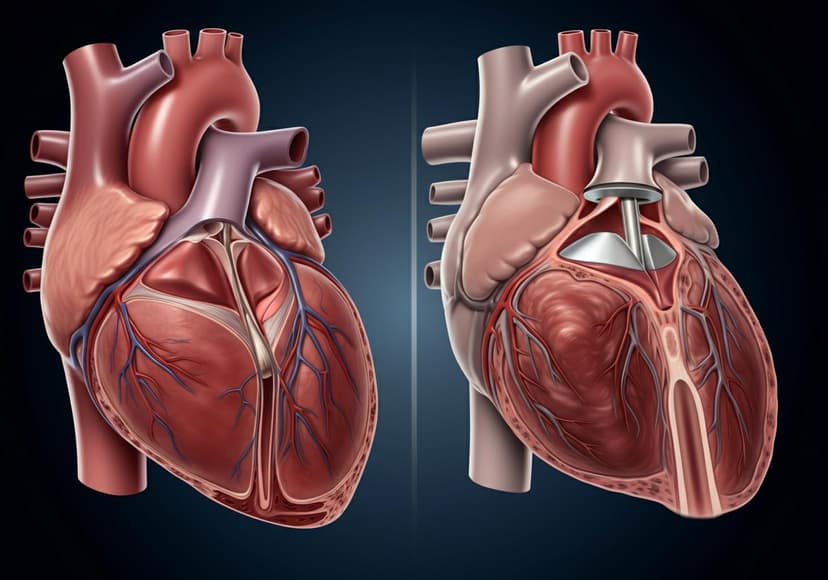
Surgical procedure replaces a damaged aortic valve with a mechanical or biological valve to restore blood flow.
Aortic Valve Replacement (AVR) is a surgical procedure used to treat aortic valve disease, particularly conditions like aortic valve stenosis. This procedure has become increasingly popular due to advancements in technology and a better understanding of heart health. If you're facing decisions regarding heart valve replacement, this overview will help you navigate the intricacies around the Best Heart Valve Replacement options available today.
Understanding Aortic Valve Disease
Aortic valve disease primarily involves narrowing (stenosis) or leakage (regurgitation) of the aortic valve. Symptoms can include shortness of breath, chest pain, and fatigue. If left untreated, these conditions can lead to heart failure and increased risk of complications. Fortunately, modern treatment options, including surgery, can significantly improve symptoms and quality of life. For detailed insights into heart valve treatments, consultations with a healthcare provider are essential.
Types of Aortic Valve Replacement
There are two main types of aortic valve replacement: Surgical Aortic Valve Replacement (SAVR) and Transcatheter Aortic Valve Replacement (TAVR). SAVR requires open-heart surgery, involving a larger incision and typically a longer recovery time. In contrast, TAVR is a minimally invasive option, allowing doctors to implant a new valve through a small incision, often resulting in quicker recovery times.
Aortic Valve Replacement Cost
One of the crucial aspects to consider when undergoing heart surgery is the cost. The Aortic Valve Surgery price can vary widely depending on the type of procedure, hospital fees, and even geographical location. While SAVR can be generally more expensive due to extended hospital stays and recovery, many find TAVR to come at a competitive price. It's advisable to contact your insurance provider for specific Aortic Valve Replacement Cost details, as coverage can significantly impact out-of-pocket expenses.
Bioprosthetic vs. Mechanical Valves
When opting for valve replacement, one significant consideration revolves around the type of valve—bioprosthetic or mechanical. Bioprosthetic valves often entail lower long-term maintenance and typically come with a lower bioprosthetic valve cost. Mechanical valves, while durable and long-lasting, require lifelong anticoagulation therapy to prevent blood clots, potentially resulting in higher overall healthcare costs, referred to as mechanical valve replacement costs. Understanding these options can help you and your doctor in making informed choices.
Recovery After Valve Replacement
Recovery time post-surgery is another essential factor to consider. On average, patients can expect a Valve Replacement Recovery Time of about 4 to 6 weeks. However, this can vary based on individual health, type of surgery, and overall lifestyle. TAVR patients often enjoy faster recovery times, allowing for a return to daily activities in a shorter timeframe than those undergoing traditional open-heart surgery. Staying informed about recovery expectations can ease anxiety and help in planning for supportive care.
Post-Surgery Care and Lifestyle Changes
After any Heart Valve Replacement Surgery, patients might face lifestyle changes. Incorporating a heart-healthy diet, regular exercise, and routine medical check-ups are vital. Cardiologists and primary care providers can offer guidance tailored to individual needs post-surgery. It's key to prioritize heart-healthy habits to improve overall heart function and prevent future complications.
Long-term Outlook and Follow-up Care
With the advent of new technologies and improved surgical techniques, the long-term outlook for patients undergoing aortic valve replacement is increasingly positive. Regular follow-up care is necessary, especially if you have underlying conditions such as Aortic Valve Stenosis Treatment or Aortic Valve Disease Treatment. Continuous monitoring can help detect potential issues early, ensuring better health outcomes.
Conclusion
Aortic valve replacement, through various advanced surgical options like Minimally Invasive Aortic Valve Replacement and TAVR, opens the door to improved heart health and quality of life. Understanding the Best Heart Valve Replacement option for your specific situation is critical. Whether navigating costs, recovery times, or surgical options, partnership with your medical team can ensure that you receive the best care tailored for you. Explore these options, as your journey towards a healthier heart starts today!
Posts Relacionados

1Mds Favorite 5 Supplements For Women
Women should consider these 5 supplements, which are carefully designed by 1MD to enhance wellness.

Aortic Valve Replacement Doctors Perspective
Doctors discuss aortic valve replacement, focusing on patient outcomes and advanced surgical techniques for improved results.
Aortic Valve Replacement Short Guide
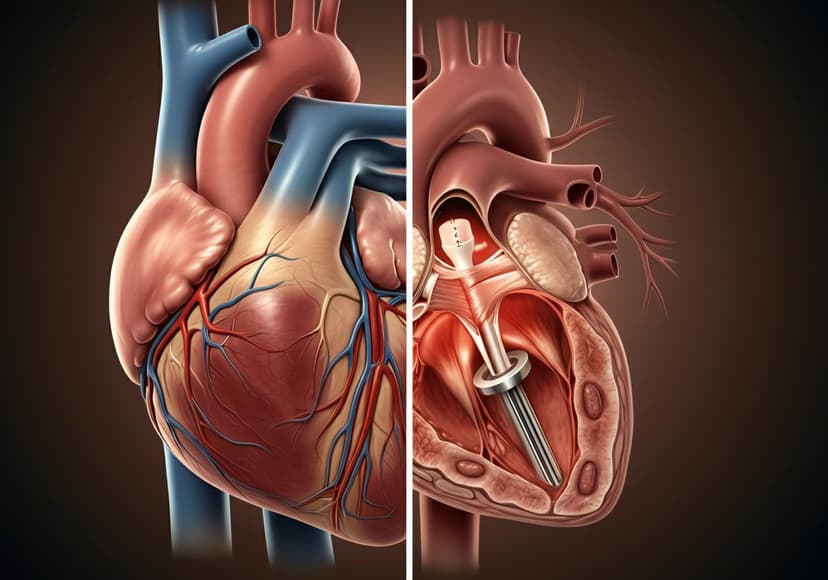
Surgery replaces a damaged aortic valve to improve blood flow and relieve symptoms. Life quality improves.