Best Practices For Senior Oral Hygiene
Regular dental check-ups, meticulous brushing, and flossing safeguard oral health as people age gracefully.
Understanding Senior Oral Care
As we age, maintaining oral hygiene becomes increasingly important. Good practices not only prevent common issues like tooth decay and gum disease, but they also support overall health. For seniors, dental care might involve special considerations like dentures, dry mouth, and other age-related challenges. It's crucial to adopt practices that cater specifically to the needs of older adults, ensuring their smiles stay bright and healthy.
The Importance of Regular Dental Visits
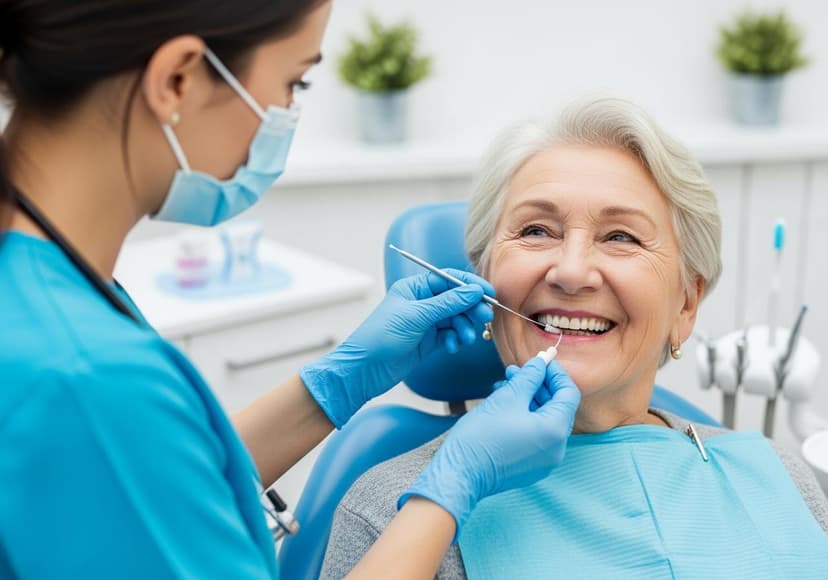
Regular check-ups with a dentist are key to maintaining oral health in seniors. These visits can help detect early signs of periodontal disease, oral cancer, and more. If you're using dental implants or dentures, your dentist can provide tailored care tips to manage and maintain these effectively. The earlier problems are caught, the easier they are to treat!
Addressing Dry Mouth
Many seniors experience dry mouth, a condition that can exacerbate tooth decay and bad breath. Hydration is essential, so drink plenty of water throughout the day. Over-the-counter saliva substitutes can also help. If you use medications that contribute to dry mouth, talk to your doctor about alternatives. Keeping your mouth moist is crucial for effective oral hygiene.
Brushing and Flossing Techniques
Effective brushing and flossing are foundations of good oral hygiene. Use a soft-bristled toothbrush, as seniors often have sensitive teeth. Gently brush in small circular motions twice a day, and don't forget to brush your tongue to reduce bad breath. Floss daily to remove plaque between teeth—this is vital for preventing gum disease and tooth decay. If traditional flossing is challenging, consider using floss picks or dental gadgets designed for ease of use.
Managing Sensitive Teeth
If you have sensitive teeth, certain foods and temperatures may cause discomfort. Use toothpaste specifically designed for sensitivity and consult your dentist about possible treatments or desensitizing agents. Ignoring this issue can lead to increased risk of toothache. Always communicate any changes or discomfort to your dental professional so they can recommend appropriate adjustments.
Nutrition and Its Impact on Oral Health
What we eat plays a significant role in oral health. A nutrition-rich diet supports strong teeth and healthy gums. Load your plate with fruits, vegetables, and lean proteins, and limit sugary snacks and acidic beverages. If you're managing dental implants or dentures, you might need to adjust your diet accordingly. For more detailed advice tailored to your circumstances, visit this guide on senior dental care.
Recognizing Warning Signs
Being vigilant about changes in your mouth is essential. Pay attention to any signs of toothache, recurrent bad breath, or bleeding gums, as these may indicate underlying issues. Early detection of complaints like gum disease can lead to better outcomes. If you notice any persistent changes, don’t delay in reaching out to your dentist.
Using Protective Gear
If you're involved in contact sports or activities that pose a risk to your teeth, using a mouth guard is wise. Though it may seem primarily for younger individuals, protecting your teeth can prevent costly dental treatments in the future. This is just another way to take charge of your oral hygiene.
Resources for Better Oral Care
Incorporating routine care, being informed, and using the right products can make all the difference for seniors. It’s beneficial to delve into comprehensive resources to enhance your senior oral care. Check out this resource for more in-depth tips tailored to seniors.'
Final Thoughts
Maintaining oral hygiene in your senior years doesn't have to be daunting. By consistently following these best practices, you can reduce the risk of tooth decay, manage sensitive teeth, and promote a healthy smile. Be proactive about your dental health, and don’t hesitate to reach out to your dentist for support and guidance along the way. Remember, taking care of your mouth is a vital part of keeping your entire body healthy!
For more information, consider visiting this ADA resource.
Posts Relacionados
24 Hour Quickest Dental Implants Short Overview
Get your new smile in one day with fast and efficient 24-hour dental implants.

5 Balance Exercises For Seniors
Improve senior mobility. Enhance stability, prevent falls. Simple routines, better balance. Stay active, healthy, and safe.
A Comparison Of Public And Private Medical Help
Public healthcare often offers accessibility, while private healthcare may provide quicker, more personalized services for patients.